
1 / 3
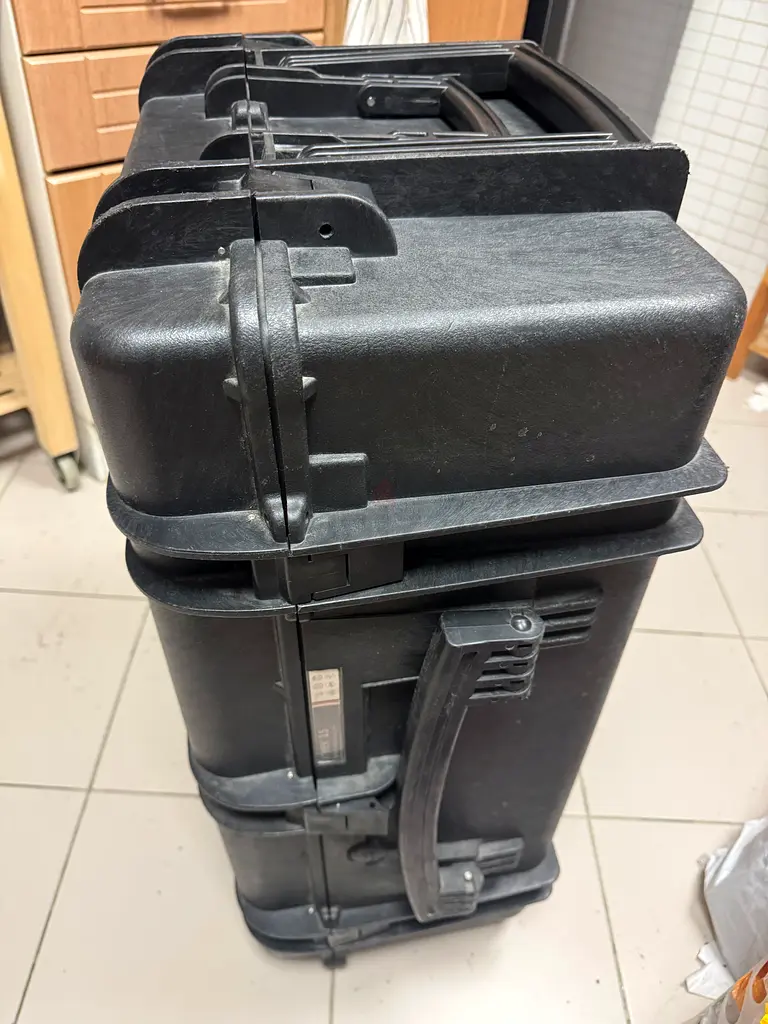
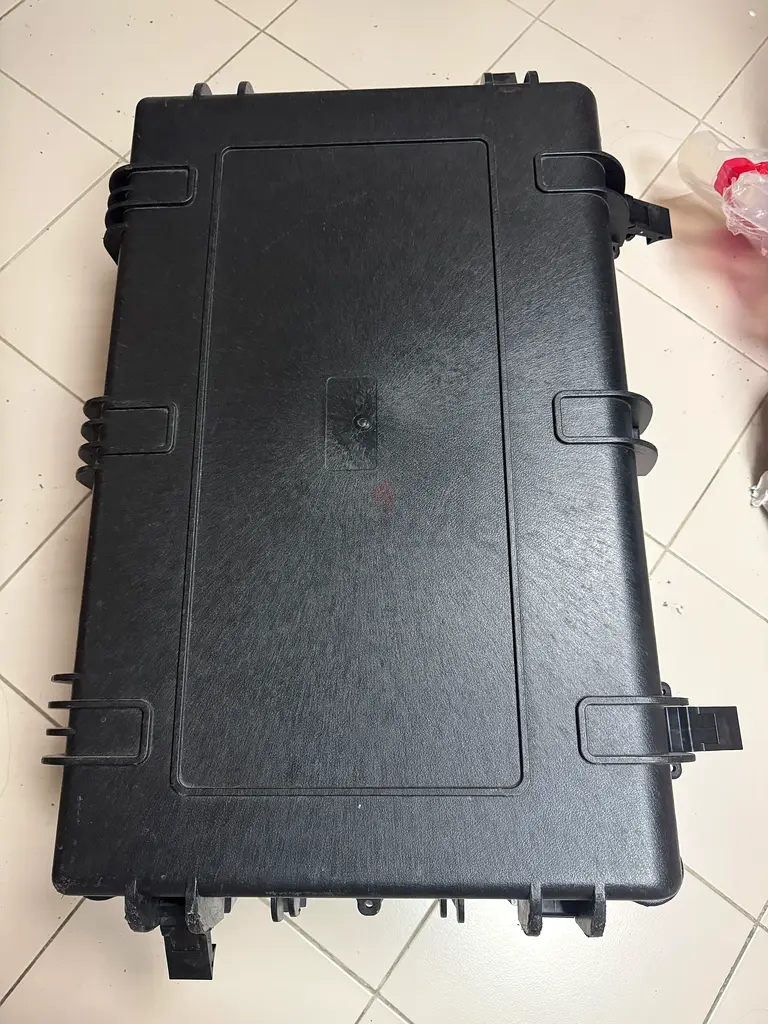
heavy-duty (XXL), ruggedized hard-shell transport case
AED 1,000

Item Details
Brand
Others
Age
1-2 years
Condition
A bit of wear and tear, but in good working condition
Warranty
Does not apply
Usage
Used an average amount, as frequently as would be expected
Posted on: 25th April 2026
Description
heavy-duty, ruggedized hard-shell transport case, commonly used by photographers, videographers, and technical professionals to protect high-value gear during transit.
Based on its design and features, here is a breakdown of what makes this case specialized for equipment:
Key Features
Molded Industrial Plastic: Constructed from high-impact polypropylene or similar polymers, designed to be crushproof and highly resistant to impact.
Protective "Ribbed" Design: The raised ridges along the body aren’t just for looks; they provide structural integrity and act as shock absorbers if the case is dropped.
Dual-Handle System:
Side Handle: For standard carrying by hand.
Telescoping/Tow Handle: The larger, curved handle visible on the side suggests it is a "rolling" case equipped with wheels (likely at the bottom base).
Reinforced Latches: It features heavy-duty "press-and-pull" latches designed to remain securely closed even under extreme pressure or vibration.
Common Uses in Photography
Lighting Kits: These long, vertical cases are often used for carrying several heavy light stands, C-stands, or strobe kits.
Cinema Rigs: Ideal for fully assembled camera rigs or long telephoto lenses that require more depth than a standard briefcase-style Pelican.
Tripods and Support: Given its height, it is frequently used for high-end video tripods or sliders.
Estimated Protection Level
These cases are typically rated for IP67 or higher, meaning they are:
Watertight: Often featuring an O-ring seal to keep out moisture.
Dustproof: Essential for desert or outdoor shoots.
Pressure-Equalized: Most include an automatic purge valve to balance air pressure during flights so the case doesn't become "suction-locked."
The label on the side appears to be a manufacturer or inventory tag, which is standard for rental houses or production companies managing a large fleet of gear.
Based on its design and features, here is a breakdown of what makes this case specialized for equipment:
Key Features
Molded Industrial Plastic: Constructed from high-impact polypropylene or similar polymers, designed to be crushproof and highly resistant to impact.
Protective "Ribbed" Design: The raised ridges along the body aren’t just for looks; they provide structural integrity and act as shock absorbers if the case is dropped.
Dual-Handle System:
Side Handle: For standard carrying by hand.
Telescoping/Tow Handle: The larger, curved handle visible on the side suggests it is a "rolling" case equipped with wheels (likely at the bottom base).
Reinforced Latches: It features heavy-duty "press-and-pull" latches designed to remain securely closed even under extreme pressure or vibration.
Common Uses in Photography
Lighting Kits: These long, vertical cases are often used for carrying several heavy light stands, C-stands, or strobe kits.
Cinema Rigs: Ideal for fully assembled camera rigs or long telephoto lenses that require more depth than a standard briefcase-style Pelican.
Tripods and Support: Given its height, it is frequently used for high-end video tripods or sliders.
Estimated Protection Level
These cases are typically rated for IP67 or higher, meaning they are:
Watertight: Often featuring an O-ring seal to keep out moisture.
Dustproof: Essential for desert or outdoor shoots.
Pressure-Equalized: Most include an automatic purge valve to balance air pressure during flights so the case doesn't become "suction-locked."
The label on the side appears to be a manufacturer or inventory tag, which is standard for rental houses or production companies managing a large fleet of gear.
Location
Al Barsha, Dubai, UAE

- Accounting / Finance
- Automobile
- Beauty / Salon
- Cleaner / Housekeeper
- Construction
- Cook / Chef
- Customer Service / Call Centre
- Data Management & Analysis
- Design
- Driver / Delivery
- Education
- Engineering
- Event Management & Operations
- Handyman / Technician
- HR / Admin
- Information Technology
- Legal Services
- Logistics & Distribution
- Manufacturing / Warehouse
- Marine Captain / Crew
- Marketing / Advertising
- Media, Art & Entertainment
- Medical / Healthcare
- Real Estate
- Restaurant Operations
- Sales / Business Development
- Secretarial / Front Office
- Security / Guard
- Sports & Fitness
- Travel & Hospitality
- Others
- Jobs Wanted
- Electronics
- Computers & Networking
- Business & Industrial
- Home Appliances
- Sports Equipment
- Clothing & Accessories
- Cameras & Imaging
- Jewelry & Watches
- Pets
- Musical Instruments
- Gaming
- Baby Items
- Toys
- Tickets & Vouchers
- Collectibles
- Books
- Music
- Free Stuff
- Lost/Found
- DVDs & Movies
- Furniture, Home & Garden
- Mobile Phones & Tablets
العربية