

1 / 3
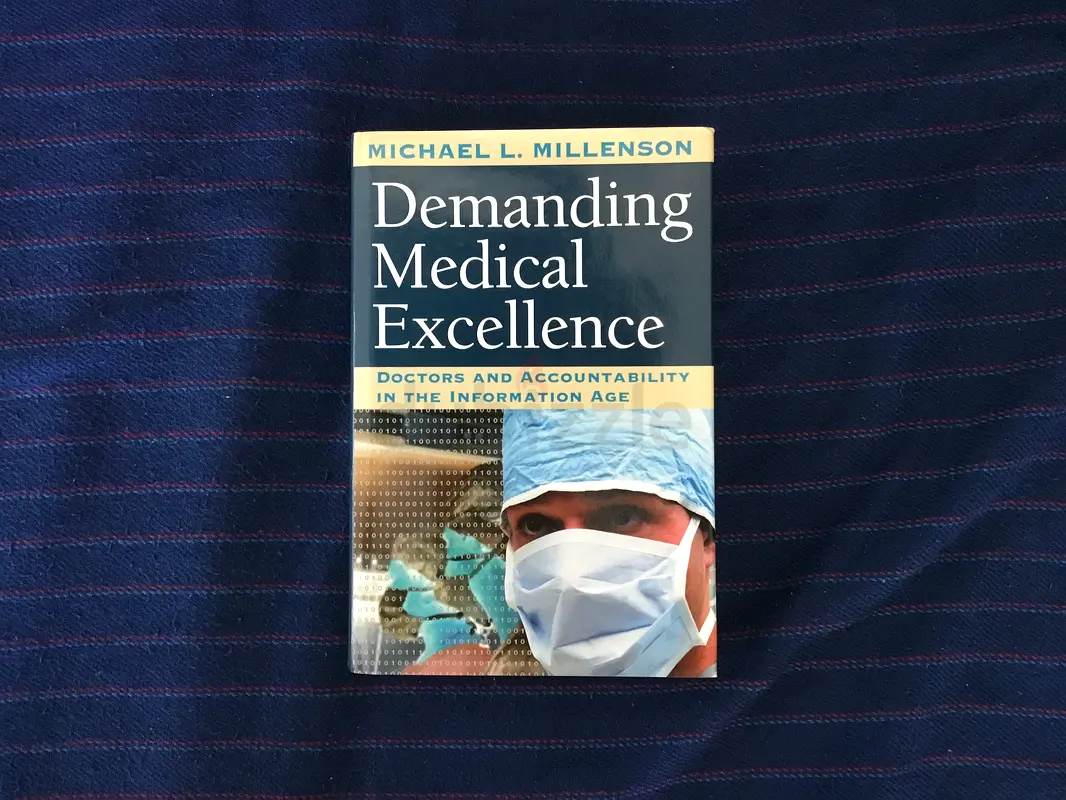
Demanding Medical Excellence: Doctors and Accountability in the Information Age
درهم 100

تفاصيل السلعة
العمر
1 - 2 سنوات
الحالة
ممتازة من الداخل والخارج
النوع
غلاف سميك
مدى الإستخدام
لا يزال في التغليف الأصلي
تم النشر بتاريخ: 2 نوفمبر 2026
الوصف
Demanding Medical Excellence: Doctors and Accountability in the Information Age
This work seeks to reveal in an accessible fashion how a revolution that owes as much to laptops as lab coats is transforming medical care. The author, Michael L. Millenson, a three-times Pulitzer Prize nominee as a reporter for the "Chicago Tribune", combines the experiences of real people and evidence from the scientific literature to tell the story of the information explosion and the application of quality-measurement techniques to medicine. Balancing criticism and praise, he illustrates serious flaws and errors in contemporary American medical practice, and shows ways in which care can be improved and many thousands of lives saved.
The current debate over health care generally focuses on finance: how do we contain the cost of care, and how do we ensure that all citizens can afford access to it? The most important issue - the quality of treatment - is too often ignored. Millenson shows that while American medicine may be the most sophisticated in the world, treatment is alarmingly inconsistent. Medicare data, for example, show that in 1996 an elderly man or woman was four times as likely to undergo surgery for back pain living in Fort Meyers, Florida, as a patient with the same symptoms living in Manhattan. Yet Millenson balances similar disturbing stories with optimistic, inspiring accounts of recent improvements in patient care. For example, a new computer-based programme in a Utah hospital has dramatically reduced treatment-caused deaths, while in another hospital a database is being created to give all doctors access to the latest medical treatments.
The book concludes that the major barriers to protecting and systematically improving medical care are cultural, not technical. Patients will not receive the consistently excellent care they deserve until physicians and health care plans are given the proper financial incentives to change, have the clinical information to guide them, and most important, accept the moral responsibility to implement change and make it work.
منطقة
دبي مارينا, دبي, الإمارات

- المحاسبة / المالية
- السيارات
- الصحة والجمال
- التنظيف /التدبير المنزلي
- الإنشاءات
- شيف / طباخ
- خدمة العملاء / مركز الإتصال
- إدارة وتحليل البيانات
- التصميم
- سائق / توصيل
- تعليم
- هندسة
- إدارة الفعاليات والمناسبات
- عامل / فنّي
- الموارد البشرية - الإدارة
- تكنولوجيا المعلومات
- خدمات قانونية
- خدمات لوجستية و توزيع
- التصنيع / التخزين
- كابتن بحري / بحار
- التسويق/الإعلان
- الاعلام,الفنون والترفيه
- الطب / الرعاية الصحية
- عقارات
- تشغيل المطاعم
- المبيعات / تطوير الأعمال
- السكرتارية / المكتب الأمامي
- الأمن /الحماية
- رياضة و لياقة
- السفروالضيافة
- أخرى
- يبحث عن عمل
English